
Getting your construction company noticed online can feel like a big project in itself. With so many companies out there, it’s easy to get lost in the noise. But don’t worry, there are smart ways to get your business in front of the right people. This guide breaks down some of the best digital marketing strategies for construction firms, helping you connect with potential clients and grow your business. We’ll look at how to make sure people find you when they search online, how to show off your work, and how to keep potential customers interested.
Key Takeaways
Table of Contents
Toggle- SEO helps your construction company show up when people search for services online.
- Local SEO is important because most construction projects happen in a specific area.
- Content marketing, like blog posts and videos, shows you know your stuff and builds trust.
- Social media lets you share your projects and connect with clients visually.
- Paid ads can get your construction business in front of
potential clients quickly.
Search Engine Optimization
Search Engine Optimization, or SEO, is basically how you make your construction company show up higher in search results when people look for services like yours online. Think of it like this: when someone needs a new roof or a kitchen remodel, they’re probably going to Google it. If your company isn’t on the first page, you’re likely missing out on a lot of potential customers. Getting found online is a big deal for construction businesses.
SEO involves a few key things. First, you need to think about the words people actually type into search engines. These are your keywords. For a construction company, this could be things like “home builder [your city]”, “commercial construction services”, or “deck building contractor”. You want to sprinkle these keywords naturally into your website’s content, especially on your service pages. This tells search engines what you do and where you do it.
Beyond just keywords, search engines also look at how well your website works. Is it fast? Does it look good on a phone? Is it secure? These technical aspects, often called technical SEO, are super important. A clunky or slow website will make people leave, and search engines notice that.
Here are some basic steps to get started with SEO:
- Keyword research: figure out what terms potential clients are searching for. Use tools like Google’s autocomplete or the “People Also Ask” section for ideas.
- On-Page optimization: make sure your website content, titles, and descriptions include those keywords in a way that makes sense to readers.
- Technical health: check your website’s speed, mobile-friendliness, and security (HTTPS).
- Build authority: get links from other reputable websites in your industry. This shows search engines you’re a trusted source.
SEO isn’t a one-time fix; it’s an ongoing process. Regularly updating your website with fresh content, like blog posts about your projects or industry tips, helps keep you visible and relevant to both search engines and potential clients.
Local SEO
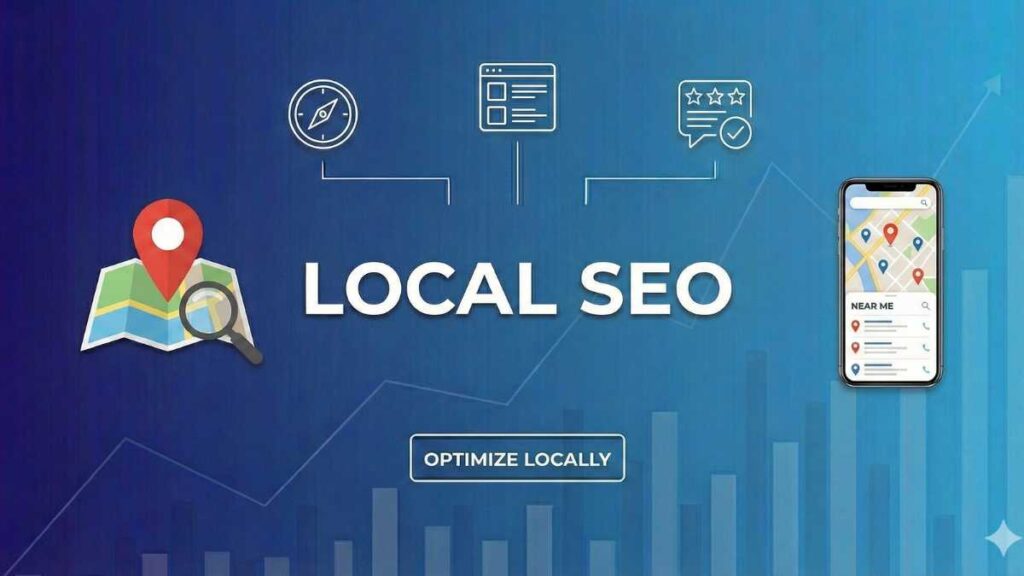
When people in your area need construction work done, they’re usually not looking at national companies. They’re looking for someone close by, someone they can trust in their own community. That’s where Local SEO comes in. It’s all about making sure your construction business shows up when potential clients search for services in your specific geographic area. Think terms like “roofing contractor in [Your Town]” or “home builder near me.”
Getting this right means search engines like Google understand where you are and what you do, so they can point local customers your way. It’s a less competitive space than general SEO because you’re only competing with other businesses serving the same neighborhoods, not
the entire internet.
Here’s how to get started:
- Claim and optimize your Google Business Profile: This is huge. It’s what shows up in the map pack on Google search results. Make sure your business name, address, phone number, hours, and services are all accurate and complete. Add lots of high-quality photos of your completed projects – listings with more images get way more clicks and calls. A complete profile is 70% more likely to get visits.
- Consistent NAP information: Your Name, Address, and Phone number (NAP) need to be exactly the same everywhere online – on your website, in online directories, and on social media. Inconsistencies can confuse search engines.
- Gather and respond to reviews: Positive reviews are gold. Encourage satisfied clients to leave reviews on your Google Business Profile. Make it easy for them, maybe by sending a link after a project is finished.
Also, respond to all reviews, good or bad. This shows you care and are engaged. - Local keywords on your website: Sprinkle location-specific keywords naturally throughout your website’s content, especially on service pages. If you serve multiple towns, create pages for each.
Local SEO isn’t just about appearing in search results; it’s about building trust and credibility with potential clients right in your backyard.
When someone searches for a local business, 97% of them look online, and a significant portion of those searches convert into business. Make sure you’re the one they find.
Focusing on these steps helps your construction company get found by the people who are most likely to hire you:
your neighbors. It’s a smart way to drive local leads and grow your business right where you live and work. You can find more information on how to achieve

Content Marketing
Content marketing is all about creating and sharing useful stuff – like blog posts, case studies, or guides – to attract and keep customers. It’s not just about selling; it’s about showing you know your stuff and helping people make smart decisions. Think of it as building trust before you even talk about a contract.
Construction projects are big deals, and people do a lot of research. They want to know you’re reliable and capable. Good content helps them feel confident about choosing you.
Here are some ways to use content marketing:
-
Blog Posts: Regularly publish articles on your website about industry trends, project tips, or company news. This helps with search engines and shows your knowledge.
-
Case Studies: Detail successful past projects. Show the problem, your solution, and the positive outcome. This is powerful proof.
-
Guides and eBooks: Offer in-depth resources on topics like choosing materials or planning a renovation. You can ask for contact info to download these, which helps generate leads.
-
Infographics: Turn complex data or processes into easy-to-understand visuals. They’re great for sharing on social media.
-
Videos: Show off your work, introduce your team, or explain a process. Short videos are very popular.
Content marketing can be way cheaper than traditional ads and brings in more leads. It’s a smart way to get noticed and build relationships.
Using a mix of these content types means you can reach more people and meet them where they are in their decision-making process. It’s about being helpful and becoming the go-to resource in your field.
Social Media Marketing
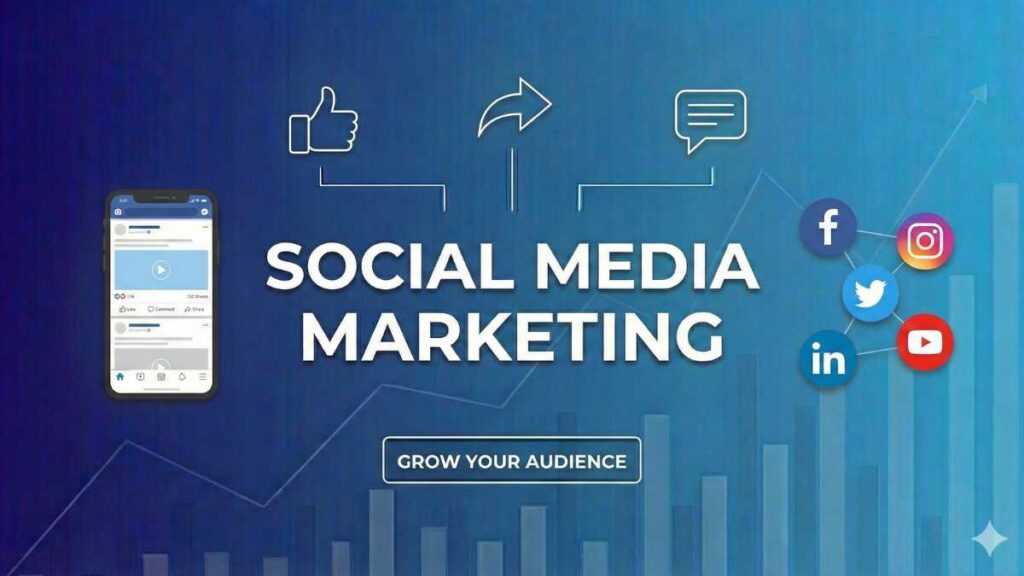
Okay, so social media. It’s not just for sharing vacation photos anymore, especially if you’re in construction. Think of it as your digital storefront and your community notice board all rolled into one. You need to be where your potential clients are, and a lot of them are scrolling through their feeds.
First off, pick your platforms wisely. LinkedIn is great for connecting with other businesses and professionals in the industry. Instagram and Facebook? Those are your visual playgrounds. Show off those finished projects, those before-and-after shots, maybe even a quick video of a tricky part of a build. X (formerly Twitter) is good for quick updates and joining industry chats.
Here’s a quick breakdown of what to post:
Project Spotlights: High-quality photos or videos of work in progress or completed jobs.
Behind-the-Scenes: A peek at your team, your process, or even a fun team-building event. Keep it real.
Client Testimonials: Share positive feedback. It builds trust like nothing else.
Industry Insights: Share helpful tips or news relevant to your clients.
Company Updates: Announce new services, awards, or community involvement.
Don’t forget about paid ads. You can get really specific with who sees your ads, which is super helpful. If you only work in a certain town, you don’t want to be showing ads to people across the country, right? Targeting your ads makes your budget go further.
Using social media analytics is key. It tells you what’s working and what’s not. Are people liking your project photos more than your team updates? Adjust your content based on that data. It’s all about learning and getting better.
Remember, consistency is more important than trying to be everywhere at once. Start with one or two platforms and do them well. It takes time to build a following, but it’s worth it for connecting with potential clients and showing off what you do best.
Video Marketing
Video is a seriously powerful tool for construction companies these days. It’s not just about showing off a finished building anymore; it’s about telling a story, building trust, and really connecting with potential clients. Think about it: people are way more likely to watch a short video tour of a project than to read a long description. This visual approach makes complex projects easier to understand and remember.
Videos can do a lot for your business. They can show off your team’s skills, give a behind-the-scenes look at how things get done, or even feature happy clients talking about their experience. This kind of content builds credibility and makes your company seem more approachable.
Here are some ways to use video:
Project Showcases: High-quality footage of completed projects, maybe even with drone shots, really highlights your capabilities.
Client Testimonials: Hearing directly from satisfied customers is incredibly persuasive.
Behind-the-Scenes: Showing your process and your team at work adds a human element.
Educational Content: Short videos explaining common construction challenges or solutions can position you as an expert.
Before & After: These are always dramatic and show the transformation you provide.
Using video can really boost how long people stay on your website. When visitors stick around longer, it signals to search engines that your site is interesting, which can help with your rankings. Plus, videos get shared a lot on social media, meaning more eyes on your work.
When planning your videos, think about what you want each one to achieve. Is it to get more people to call you, or just to make them aware of your brand? Having a clear goal for each video helps make sure it’s effective.
Don’t forget that short, punchy videos often work best, especially for grabbing attention online. Aim for clarity and impact in under two minutes.
Pay-Per-Click Advertising
Pay-Per-Click (PPC) advertising is a way to get your construction business in front of people who are actively searching for your services online. Think of it like this: when someone types “roofing contractor near me” or “kitchen remodel cost” into Google, your ad can show up right at the top of the search results. You only pay when someone actually clicks on your ad, which makes it a pretty direct way to get potential clients to your website.
This is especially useful for construction companies because it can bring in leads who are ready to start a project right now. Unlike waiting for organic search rankings to improve, PPC can deliver results much faster. You can target specific keywords that people use when they need construction services, and you can also set up ads to show only in certain geographic areas where you work.
Here’s a quick rundown of how it generally works:
Keyword Bidding: You bid on terms (keywords) that potential clients might search for. The higher your bid and the more relevant your ad is, the more likely it is to show up.
Ad Placement: Your ads can appear on search engine results pages (like Google) or even on other websites and social media platforms.
Cost Per Click: You’re charged a fee each time someone clicks your ad. This means you’re paying for actual interest, not just impressions.
Targeting Options: You can get pretty specific with who sees your ads. This includes location, demographics, interests, and even the time of day.
It’s not just about throwing money at ads, though. You need a strategy. For instance, if you’re a custom home builder in a specific city, you’d want to bid on keywords like “custom home builders [your city name]” and make sure your ads only show to people in that area. You’d also want the page they land on (the landing page) to be directly related to building custom homes, not just your general homepage.
Managing PPC campaigns effectively requires attention to detail. It’s about more than just setting up ads; it involves ongoing monitoring, testing different ad copy, and refining your keyword lists to make sure you’re getting the best return on your investment. Without this careful management, you could end up spending money without getting the right kind of leads.
Platforms like Google Ads are very popular for this. They allow you to track how many people click your ads, how many of those clicks turn into calls or form submissions, and ultimately, how much revenue those clicks generate. This data helps you understand what’s working and where to adjust your spending.
Email Marketing
Email marketing is a really solid way to keep in touch with people who have shown interest in your construction services. It’s not just about sending out a quick blast; it’s about building relationships and staying on their minds for when they need work done. Think of it as a consistent conversation, not a one-off sales pitch.
The real power of email marketing for construction companies lies in its ability to nurture leads and keep past clients engaged. It’s a cost-effective method that can bring in a good return on investment. You can share updates about your company, highlight recent projects, or even offer seasonal tips relevant to homeowners or businesses.
Here are some ways to make your construction email marketing work:
Regular Newsletters: Keep your audience informed about company news, new services, or industry trends.
Project Spotlights: Showcase successful projects with photos and brief descriptions. This is great for demonstrating your capabilities.
Client Testimonials: Share positive feedback from happy clients. Social proof is powerful.
Educational Content: Offer tips on home maintenance, renovation planning, or choosing the right materials. This positions you as a helpful expert.
Special Offers: Announce any promotions or discounts you might be running.
To get the most out of your emails, personalization is key. Using a recipient’s name and tailoring content based on their past interactions or interests can make a big difference in how many people actually open and read your messages. Also, make sure your emails look good on phones, because a lot of people check their email on the go. A clear call-to-action, like “Get a Free Estimate” or “View Our Portfolio,” is also super important to guide people on what to do next. Segmenting your email list based on things like location or the type of service they’re interested in helps you send more relevant messages, which usually means better results. You can find some great advice on how to improve your email marketing campaigns to connect better with your audience.
Building and maintaining an email list is a foundational step. You can gather emails through website sign-up forms, offering downloadable guides, or even at trade shows. The goal is to create a list of interested contacts who have given you permission to communicate with them. From there, you can start sending targeted messages that actually matter to them.
Retargeting
Ever feel like you’re shouting into the void with your online ads? You get clicks, but then… crickets. That’s where retargeting comes in. It’s basically a way to show ads to people who have already visited your construction company’s website but didn’t fill out a form or call you. Think of it as a friendly nudge, reminding them about the great work you do.
This strategy is super effective because you’re not starting from scratch; you’re engaging with warm leads. They’ve already shown interest, so they’re more likely to convert if they see your name pop up again. You can use it across different platforms, like Google Display Network or social media, to keep your company top of mind. It’s about staying visible when potential clients are still in the decision-making phase.
Here’s how it generally works:
Install a tracking code: A small piece of code on your website tracks visitors. This code doesn’t collect personal info, just notes that someone visited.
Create ad audiences: You then group these visitors into different lists based on what pages they looked at or how long they stayed.
Launch targeted ads: Finally, you show specific ads to these groups on other websites or social media platforms they visit.
It’s a smart way to get more mileage out of your advertising budget and improve your lead generation efforts. You’re not just hoping new people find you; you’re nurturing the interest that’s already there. It’s a bit like seeing a car you liked in a showroom and then noticing it again when you’re driving around town – it reinforces your interest.
Retargeting helps you stay in front of potential clients who have already shown interest in your services. It’s about consistent visibility and reminding them why your construction company is the right choice for their project. This approach focuses your ad spend on people who are already familiar with your brand, increasing the chances of conversion without wasting money on completely cold audiences.
Geotargeting
When you’re a construction company, your service area is usually pretty defined. You’re not going to be building houses in another state, right? That’s where geotargeting comes in handy. It’s basically a way to make sure your online ads only show up for people in the specific areas you actually serve.
Think about it: why spend money showing ads for your roofing services to someone in a town you don’t even work in? It’s just a waste. Geotargeting lets you narrow down your ad delivery to specific cities, counties, or even zip codes. This means your advertising budget goes towards reaching potential clients who are actually in your backyard.
Here’s how it helps:
Focuses your ad spend: You’re not burning money on uninterested audiences.
Increases relevance: Ads shown to people nearby are more likely to be clicked.
Improves lead quality: You’re attracting people who can realistically become clients.
Supports local SEO efforts: It works hand-in-hand with trying to rank for local searches.
This targeted approach is key for construction businesses because projects are inherently local.
You can get really granular with geotargeting. For example, if you specialize in commercial builds, you might target business districts in specific cities. If you do residential remodels, you might focus on certain neighborhoods known for older homes that often need updates. It’s about being smart with where you put your advertising dollars.

Chatbots
Think of chatbots as your always-on digital assistant for your construction company’s website. They’re not just for answering simple questions anymore; they’re becoming pretty sophisticated tools for lead generation and customer service.
Chatbots can handle initial inquiries 24/7, freeing up your sales team to focus on qualified leads.
When a potential client lands on your site, they might have immediate questions about your service areas, project timelines, or even basic pricing structures. Instead of making them wait for a callback or an email response, a chatbot can provide instant answers. This quick engagement is super important because construction projects are often big decisions, and people want information fast.
Here’s how chatbots can really help:
Instant Lead Qualification: Chatbots can ask a series of questions to gather information about a prospect’s needs, budget, and timeline. This helps you understand if they’re a good fit before you even talk to them.
24/7 Availability: Your business might close at 5 PM, but potential clients are browsing at all hours. Chatbots ensure no lead goes unanswered, no matter the time of day.
Improved User Experience: Providing immediate support makes visitors feel valued and can significantly reduce bounce rates on your website.
Data Collection: Chatbots can collect contact information and specific project details, feeding directly into your CRM or sales pipeline.
Some advanced chatbots can even be customized to match your brand’s voice and handle more complex interactions. For instance, you can find solutions like AgentiveAIQ that offer no-code customization, allowing you to build a chatbot that truly represents your company without needing a developer.
Implementing a chatbot isn’t just about automation; it’s about being more accessible and responsive to potential clients. It’s a way to make a good first impression and keep interested parties engaged from the very first click.
By integrating a chatbot, you’re not just adding a feature; you’re improving your entire lead management process and making it easier for clients to connect with you.
Wrapping It Up
So, that’s the rundown on making your construction business shine online. It’s pretty clear that just doing good work isn’t enough anymore. You’ve got to get yourself out there digitally. Whether it’s making sure people find you on Google with good SEO, showing off your projects on social media, or just keeping in touch with folks through email, there are a lot of ways to connect. It might seem like a lot, but picking a few strategies that fit your company and sticking with them can really make a difference. Don’t get left behind; start building your online presence today and watch your business grow.
Frequently Asked Questions
Why is digital marketing so important for construction companies today?
In today’s world, most people start their search for services online. Having a strong online presence helps construction companies get noticed by potential clients who are actively looking for what they offer. It’s like having a digital storefront that’s open 24/7, making it easier for people to find and choose your business over competitors.
How can search engines help my construction business get more leads?
Search Engine Optimization (SEO) helps your website show up higher in search results when people look for construction services. When your site ranks well, more potential clients will see it and click on it, leading to more calls and project inquiries. Think of it as being on the first page of a phone book, but for the internet.
What is Local SEO and why is it good for construction?
Local SEO is about making sure your business appears when people search for construction services in your specific area. For example, if someone in Chicago searches for ‘builders near me,’ Local SEO helps your Chicago-based company show up. This is super important because most construction projects happen in a specific location.
How can social media help my construction company grow?
Social media platforms are great for showing off your completed projects with photos and videos. You can also share stories about your work, connect with other businesses, and even run ads to reach people who might need your services. It’s a way to build relationships and show potential clients the quality of your work.
What kind of content should a construction company create for marketing?
Construction companies can create helpful content like blog posts answering common questions (e.g., ‘How to plan a renovation’), videos showing project progress or finished work, and guides that people can download. This shows you know your stuff and helps build trust with potential clients.
Is video marketing really useful for construction businesses?
Absolutely! Videos can bring your projects to life. You can create virtual tours of finished buildings, show time-lapses of construction, or even have clients share testimonials. Videos are engaging and help potential clients visualize the quality and scope of your work much better than just text.