Why Warehouses, Offices, and Data Centers Are Leading Construction Planning
What Builders, Contractors, and Construction Companies Must Read Carefully
The Dodge Momentum Index (DMI) is not just another construction indicator.
Table of Contents
ToggleFor experienced builders, developers, and contractors, it acts as an early warning system — revealing where planning activity is accelerating long before ground is broken.
In 2026, the signal is clear.
The Dodge Momentum Index has jumped again, and the message behind the numbers matters more than the headline:
Warehouses, offices, and data centers are dominating early-stage construction planning across the United States.
This is not random growth.
It is targeted, strategic, and regionally concentrated.
And for construction companies, this shift is creating a new hierarchy of opportunity — rewarding those who understand where demand is forming, and punishing those who wait for projects to “show up.”

What the Dodge Momentum Index Really Measures
Before reacting to the surge, it’s important to understand what the Dodge Momentum Index actually tracks.
The DMI measures:
• Nonresidential building projects
• At the planning stage, not construction start
• Based on project data from across the U.S.
In simple terms:
The DMI shows where developers are preparing to build next, not where they already are building.
That makes it one of the most powerful tools for anticipating construction demand 12 to 18 months ahead.
So when the index jumps, it signals:
• Capital is lining up
• Permits are being explored
• Design, feasibility, and approvals are underway
For builders, this is where strategic positioning should begin.
Why the Dodge Momentum Index Is Rising in 2026
The increase in 2026 is being driven by three dominant categories:
1. Warehouses and logistics facilities
2. Office construction (redefined, not revived)
3. Data centers and digital infrastructure
Each of these sectors reflects deeper economic and technological shifts — not temporary cycles.
Warehouses: the backbone of the new economy
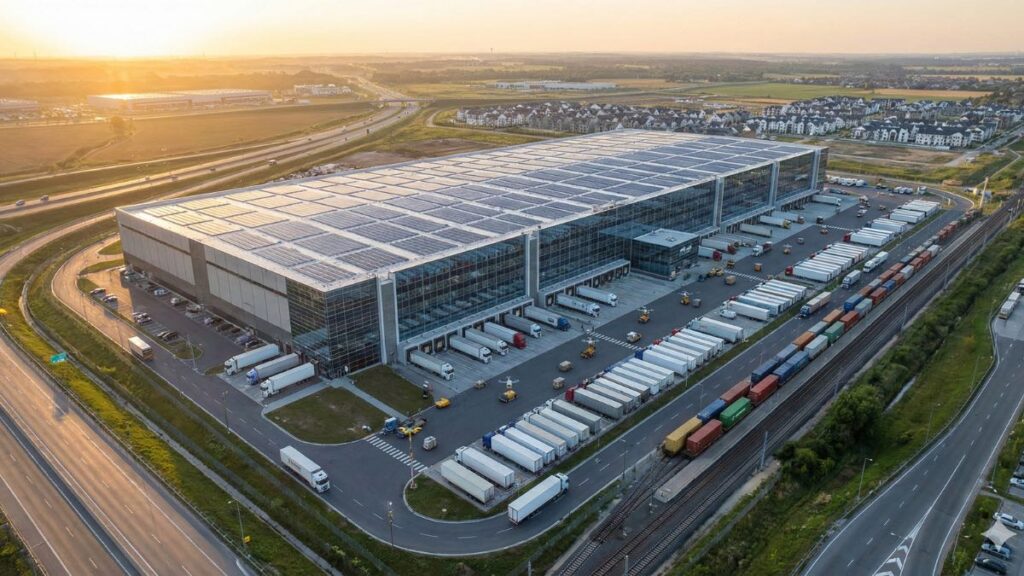
Warehouse construction continues to dominate planning activity across the U.S.
Why warehouse demand keeps growing
The drivers are structural:
• E-commerce logistics
• Same-day and next-day delivery expectations
• Inventory decentralization
• Supply chain resilience strategies
Companies are no longer relying on a few mega-distribution centers.
They are building regional and micro-logistics hubs closer to consumers.
Where warehouse planning is accelerating
High-growth regions include:
• Texas
• Georgia
• Arizona
• Florida
• Ohio
• Tennessee
• North Carolina
These states combine:
• Highway and rail access
• Available land
• Favorable zoning
• Growing population centers
What this means for contractors
Warehouse projects reward builders who:
• Understand speed and efficiency
• Communicate clearly with developers
• Look operationally structured
• Demonstrate experience or readiness online
In warehouse construction, perceived reliability matters as much as pricing.

Office construction is not dead — It’s being redefined
Despite years of headlines declaring the “death of the office,” the Dodge Momentum Index tells a different story.
Office planning is not disappearing — it is evolving.
What kind of offices are being planned in 2026?
The new office demand focuses on:
• Medical and healthcare offices
• Government and civic buildings
• Flexible, mixed-use developments
• Corporate hubs in growth states
• High-quality, smaller footprints
Large, generic office towers are declining.
Purpose-driven, localized office projects are increasing.
Where office planning is strongest

Data Centers: The Strongest Signal in the Index
Key data center regions in 2026
What data center projects demand from builders

What the DMI Jump Signals for the Construction Industry
The Dodge Momentum Index jump in 2026 sends several clear messages:
1. Planning is outpacing execution
Developers are cautious, but committed.
Projects are being prepared carefully, not rushed.
2. Capital is targeting “safe” asset classes
Warehouses, offices with purpose, and data centers are seen as defensive investments.
3. Competition will intensify before construction starts
By the time projects break ground, contractors are already being filtered.
The Strategic Mistake Contractors Will Make

GEO Reality: Where Visibility Becomes a Weapon
Search behavior in planning-heavy markets shows clear intent:
How smart construction companies are responding
The Dodge Momentum Index does not predict winners.

FAQ — Dodge Momentum Index & Construction Planning in 2026
1 – What is the Dodge Momentum Index?
The Dodge Momentum Index tracks early-stage nonresidential construction planning activity, offering insight into where projects are likely to break ground 12–18 months later.
2 – Why is the Dodge Momentum Index rising in 2026?
The increase is driven by strong planning activity in warehouses, offices, and data centers, reflecting structural shifts in logistics, work environments, and digital infrastructure.
3 – Which construction sectors are leading planning activity?
Warehouses, purpose-driven office buildings, and data centers are the dominant sectors influencing the index.
Which U.S. states benefit most from this planning surge?
Texas, Florida, Georgia, Arizona, North Carolina, Ohio, and Virginia show the strongest concentration of planning activity.
4 – How does planning activity affect contractors?
Planning stages determine which contractors are researched, shortlisted, and invited to bid. Visibility and credibility matter early.
5 – Is local SEO important for warehouse and data center contractors?
Yes. Developers search locally and regionally. Without GEO optimization, contractors are filtered out before contact.
6 – Are offices still being built in 2026?
Yes, but with a focus on healthcare, government, mixed-use, and flexible office environments rather than traditional towers.
7 – What is the biggest risk for contractors in this cycle?
Waiting too long to position their brand, website, and visibility — assuming opportunity will appear automatically.